The Unique Aspects of Painting Inside and Outside
Painting a home involves more than just choosing the right color. Understanding the key differences between interior and exterior painting is crucial for achieving the best results. Each type has unique requirements and challenges due to different environmental factors, materials, and techniques. Knowing these distinctions can help you ensure long-lasting and visually appealing paintwork.
Materials Used in Interior Painting
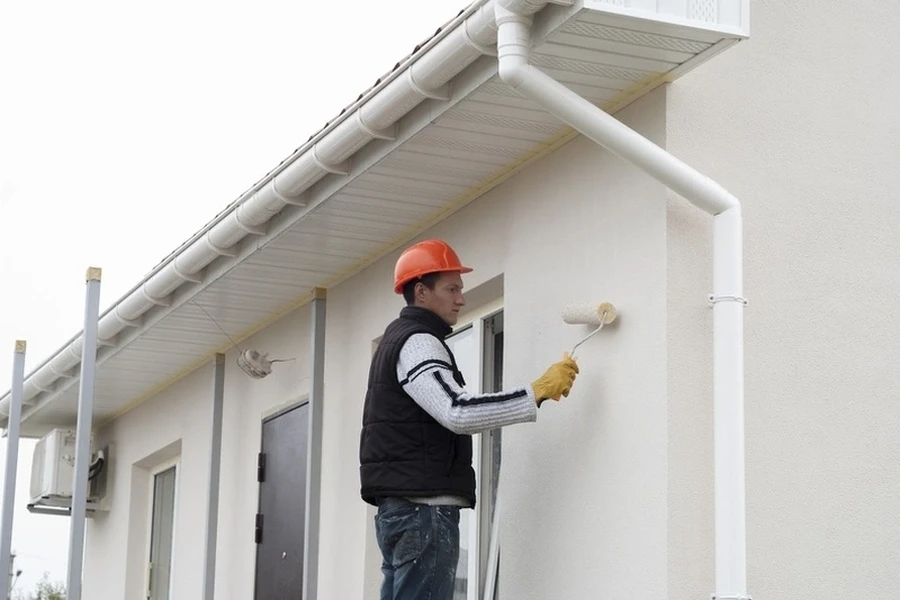
Interior paints are formulated with specific additives to enhance indoor air quality and reduce odors. They often contain fewer volatile organic compounds (VOCs) compared to those used outdoors. This means they are safer for enclosed spaces and provide a durable finish that can withstand cleaning without releasing harmful fumes.
Choosing the Right Paint for Exterior Surfaces
Exterior painting requires paints that can resist harsh weather conditions like rain, sun, and temperature fluctuations. These paints need to be waterproof and UV-resistant to protect the building’s surface from damage over time. The two main types of outdoor paints are oil-based and water-based, each offering benefits based on the specific application.
Differences in Preparation Techniques
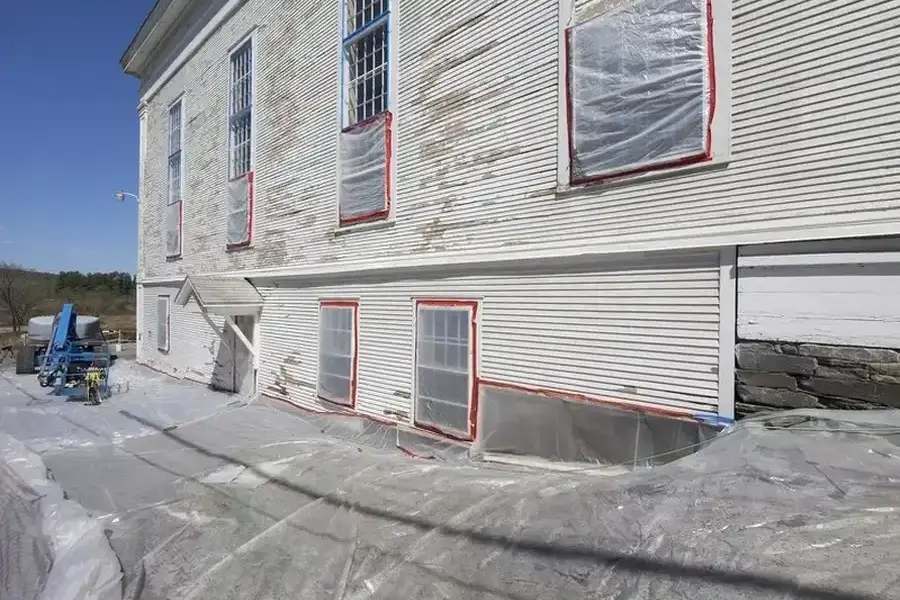
Before starting any painting project, proper preparation is essential. Interior surfaces typically require less intensive prep work such as patching holes and sanding. In contrast, preparing for exterior painting involves more extensive steps like pressure washing, scraping old paint, and repairing damaged areas to ensure the new paint adheres properly.
Application Methods Tailored to Location
The method of applying paint differs between indoors and outdoors. For interiors, precision tools like rollers and brushes are commonly used to achieve a smooth finish. Conversely, spraying is an efficient technique for large outdoor surfaces as it covers wide areas quickly and evenly, which is particularly useful when dealing with textured or uneven surfaces.
The Importance of Weather Considerations
Weather plays a significant role in the timing of painting projects. Interior painting can be done at virtually any time since climate control prevents external influences. However, exterior painting must avoid extreme temperatures and precipitation to ensure the paint cures correctly. Ideal conditions include mild temperatures and low humidity.
Cost Implications Based on Painting Needs
The cost associated with painting varies significantly between interior and exterior jobs. Factors include the type of paint, surface area, and labor involved. Typically, exterior projects are more expensive due to their scale and the need for specialized equipment and materials designed to withstand environmental stresses.
Final Recommendations for Your Painting Project
Understanding the differences between interior and exterior painting helps in planning your next project effectively. By selecting appropriate materials and methods for each setting, you can achieve better results and extend the life of your paint job. Contact us at (970) 274-7322 for expert guidance tailored to your specific needs. At MD Painting LLC, we’re committed to delivering top-quality service across Glenwood Springs, CO.